- 512-410-9136
- operations@striderpi.com
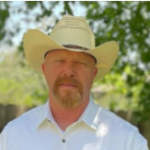
Dave Amis has been a Texas Private Investigator since 2019.
He has 19 years of criminal justice experience as a Colorado Ranger, a Reserve Sheriff’s Deputy, the Director of Strider Lab (serial predator research), and as a Texas PI.
Law Enforcement Agency Experience
He has worked with dozens of police agencies from LAPD to APD, the DEA, and the FBI.
Dave specializes in major case investigations and serial predators.
I became a licensed Texas private investigator in 2019.
Getting started in the private investigation field took almost two years of persistence.
I contacted and met a dozen experienced investigators. Several promised to license me—I just had to fill out the paperwork. Then they would fail to follow through or disappear.
One of them went out of business and didn’t even bother to tell me.
Then I met David W., a former LAPD Sergeant and a really great guy. His specialty was surveillance.
He hired me for my first real PI job, and he fired me two weeks later after I momentarily left a 12-hour surveillance, leaving another guy on post and, the subject chose that exact four-minute window to leave.
That’s a secret surveillance rule by the way: the moment you stop paying attention is when all the action happens.
It was a righteous firing. I don’t blame David at all, and I’ll always appreciate him; he got me in the door.
Before he cut me loose, he said something I’ll never forget: “Being a Texas PI is like living in the Wild West.
My next employer, a former ICE agent, was a hell of an investigator and specialized in criminal defense.
I worked about 25 cases with her: theft, attempted murder, sexual assault, armed robbery, and more. We functioned as criminal investigators (one of the few ways private investigators can work crime cases). I really enjoyed it.
Six months later, my second employer fired me too!
She told me: “You ask too many questions. I just want investigators to do the work and give me the report.”
Fair enough, I guess. Once again, I learned a lot from her.
At a statewide PI conference, I met Henry, who runs a private investigation firm covering just about the entire state.
When I introduced myself, he said, “I’ll give you a chance”.
Sure enough, a week later, he assigned me a case.
It was a ‘fidelity’ case; that’s my optimistic term!
A Chicago investigator once yelled at me: “It’s ‘infidelity’ you idiot!” He was upset we wouldn’t let him direct an investigation—Texas investigations require a Texas PI or a Texas PI Supervisor.
Anyway, Henry’s case involved a man and a woman driving from San Antonio to a suburb east of Austin. My job: photograph the male subject dropping the female subject off at a specific address.
I’ll never forget it because it was my first case for Henry and when I arrived – and the address didn’t exist!
I searched every nearby block thinking maybe it was around the corner. Nothing.
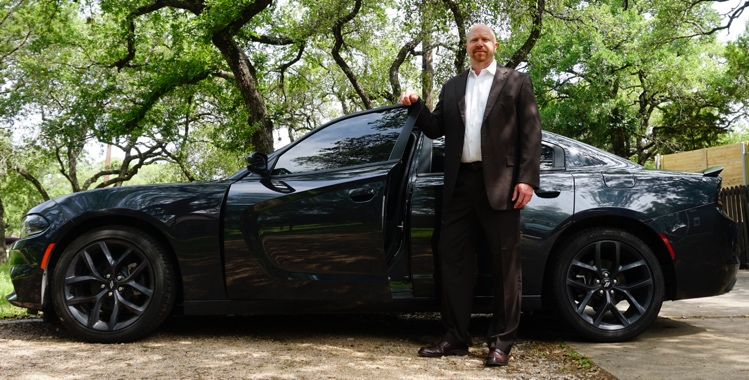
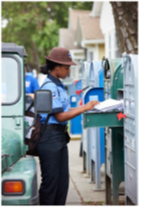
So there I am, sitting in my Charger, thinking “Great, I can’t even find a house. Henry’s never gonna use me again” when a young USPS carrier rolls up in her funny little USPS Jeep.
She set me right in two minutes and I set up four houses down from the target.
A man (60) arrived with a woman (40), grabbed her bag, kissed her, and she went inside.
I photographed everything, ran the plates, and found the house belonged to her daughter and the car to someone in San Antonio—infidelity confirmed, plus a clever mother-daughter setup.
Infidelity cases are great for learning because the subjects are often unaware, not very good at covert ops, and generally not dangerous.
Over the years, I worked on about 30 of these cases and often heard: “I think she (or he) is cheating but I don’t know for sure. If only I could know for sure.”
Clients need us as observers to finally let go of the relationship—a kind of emotional closure more than a legal tool as Texas is a no-fault divorce state.
Henry was happy. He gave me more cases, and soon I became the director of his Austin office.
I spent about a year doing mostly surveillance and got pretty good at it.
After that year, I told Henry I was starting my own shop. We separated amicably and have worked cases together since.
Like many new PIs, I set up a website, printed flyers, and cold-called lawyers.
But the single best thing I did was to work the hell out of every case I was given.
Every client got results. Not always the outcome they wanted, and not always great pay—but when you deliver evidence, locate a missing person, or confront the bad actor, clients remember. And grateful clients tell stories.
Seven years later, half or more of my PI business comes from word-of-mouth referrals.
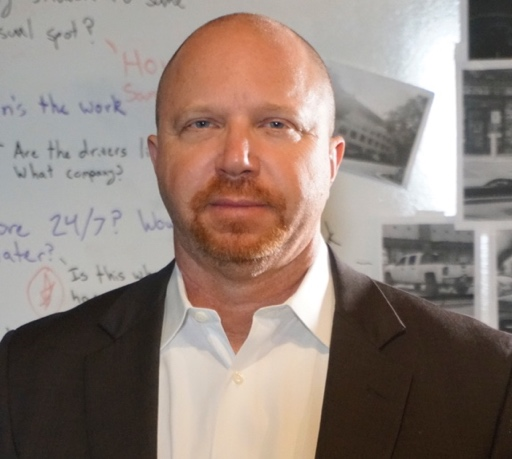
During this time, I realized that the private investigator industry has no real training pipeline—no academy, nothing like the 600-hour police academy I went through as a Sheriff’s Deputy.
So I created my own “private investigator certification.”
For one solid year, I accepted every case offered to me. I worked for free when I had to, just to stay busy and build experience.
My year-one goal was 60 cases, which is five per month. I did that, and then some.
Here are some of the cases I worked on that first year:
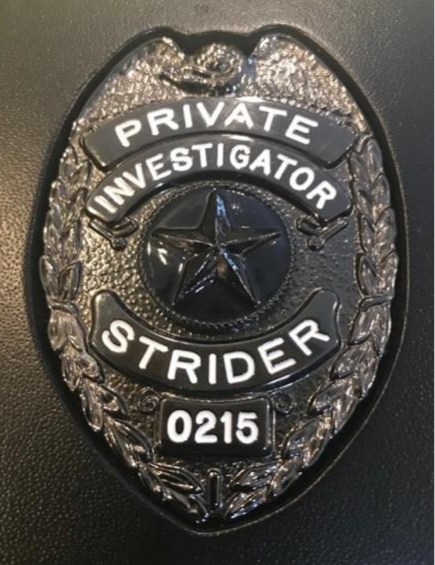
PI badges carry no legal authority in Texas but can help identify you to law enforcement. Always avoid implying you’re a cop and be ready to show your Security Card if asked.
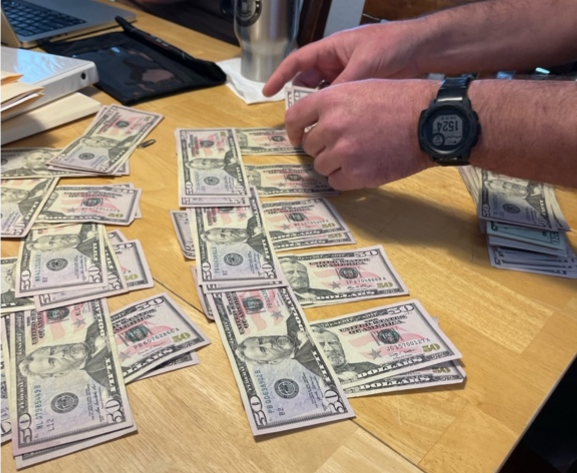
A client concerned about secrecy made her retainer payment in cash and delivered it in a birthday card “in case someone is watching”.
Domestic Violence
Real Estate Fraud
Check Fraud
Missing Child
Red Team
Counter Surveillance
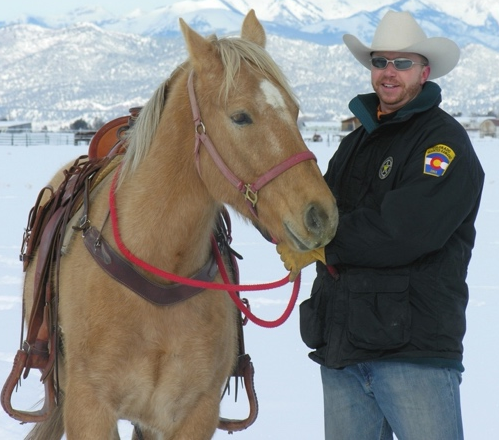
My second year followed the same approach: I continued to take pretty much any case offered to me, with one exception—child sexual assault cases.
Despite a reputation for being tough, I could not stomach hearing a child describe that kind of abuse. I admire the investigators who can.
By the end of year two, I was getting comfortable.
As I’ve said before, becoming a PI is a journey—I think two years is what’s needed for a new PI to:
I also discovered my biggest weakness: I can’t say no to a new kind of case.
Learning new techniques is rewarding, but unfamiliar cases require five times the effort to deliver results.
The smartest private investigators specialize, focusing on two or three core case types.
In my third year, I began to specialize in major fraud investigations.
With a finance background and an MBA, I completed the Certified Fraud Examiner (CFE) program, and became a CFE.
That decision changed everything.
The big cases started rolling in:
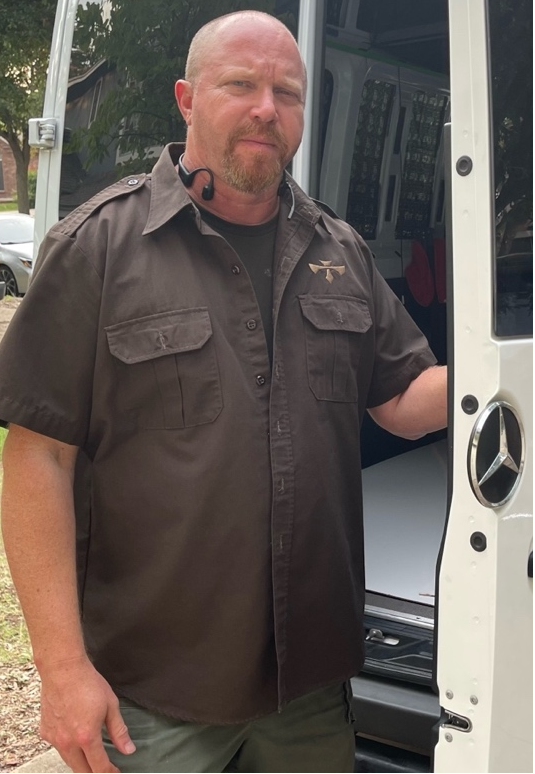
I began building a team and eventually we had a great crew of four investigators and one rookie handling all kinds of frauds.
With guidance from my mentors, I began writing high-quality and complex investigative reports that could be used in court.
To date:
My biggest case so far:
That’s got to be some kind of record. The FBI took that case too.
Drawing on my experience as a former Police Academy Instructor, I began training other private investigators.
I created a 3-day intensive program, now known as SPIT (StriderPI Investigator Training), designed to help new PIs launch their careers and understand how to get a PI license.
We’ve helped many rookies get started.
Along the way, I was lucky enough to learn from three world-class mentors:
Tuleta took me under her wing and became my best buddy until her passing last year.
Our conversations usually started with, “What trouble have you gotten yourself into this time, Dave?”
I would explain what I was doing on a particular case and she would usually say, “Okay, that’s not too bad —we can fix it.”
I once watched her prove a bank fraud (a $1.2M felony) in New Jersey in about 45 minutes.
She was the best OSINT investigator I’ve ever known.
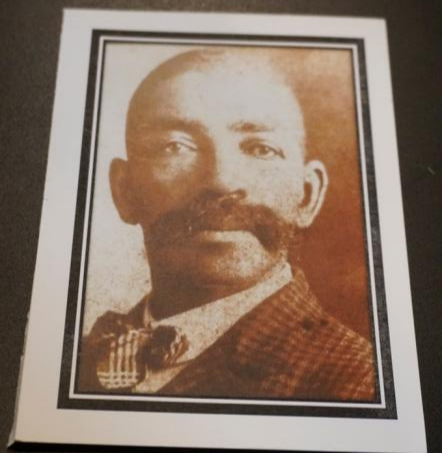
One of my heroes; Bass Reeves. First black U.S. Marshal in the Oklahoma Territory. Many believe he pioneered investigative techniques still used today, yet his legacy remains largely unknown because he was Black. Look him up—an incredible man.
For a full year, he tore apart every investigative plan I brought him.
After twelve months, I presented another plan, bracing for more tough criticism, and he said, “Actually… that’s not a bad idea.”
It felt like graduating from the Dunn School of Investigations. Great guy who taught me a lot.
Younger than me and still relentlessly critical—especially of my surveillance work, undercover techniques, wardrobe, and tendency to be “too loud.”
He completely overhauled the surveillance curriculum for Strider PI, to the point I consider him a co-founder. If you train with us, you may get to meet him.
Now, in my seventh year as a Texas private investigator, I’ve handled cases all across the U.S. and in three foreign countries.
Everything from:
Becoming a Texas private investigator was the best decision I ever made.
— Dave Amis