

Dave Amis has been a Texas Private Investigator since 2019.
He has 19 years of criminal justice experience as a Colorado Ranger, a Reserve Sheriff’s Deputy, the Director of Strider Lab (serial predator research), and as a Texas PI.
Law Enforcement Agency Experience
He has worked with dozens of police agencies from LAPD to APD, the DEA, and the FBI.
Dave specializes in major case investigations and serial predators.

How To Become A Criminal Investigator In 2026 – For PI Rookies©
Table of Contents
Hello PI Rookie! So you want to become a criminal investigator? You want to work murder cases and crime scenes? Robbery? Assault? Kidnapping?
Let me guess—everyone told you it’s impossible. That criminal investigation is only for cops. That you need a badge and 20 years as a detective. Maybe they told you there is no criminal investigator training for civilians.
They’re wrong. Well… mostly wrong.
Here’s the truth: Courses on homicide (the official term for non-natural death) are usually not available to the public or to PIs, for good reason. Even after I was a cop, I couldn’t get into certain courses at national police conferences.
But here’s what they won’t tell you: it IS possible.
Not easy. Not simple. But absolutely, definitively possible.
You can become a criminal investigator. You can work murder cases. You can make a real difference on cases that everyone else has given up on.
First, let’s break down the myths that stop most PIs —and then we’ll blow them up!
The 4 Myths About How to Become a Private Investigator
Here are the four myths:
- Myth 1: Only police officers can investigate crimes
- Myth 2: Only former police detectives can become crime investigators
- Myth 3: There is no school for criminal investigator training unless you’re a cop at an official agency
- Myth 4: Criminal investigations are too important for amateurs
Myth 1: Only The Cops Can Investigate Crimes
There are over 100 different types of criminal investigators (see Appendix #1 for a list of law enforcement investigators).
FACT: Every crime that law enforcement can investigate can also be investigated by a licensed private investigator.
But—and this is a big “but”—interfering with an ongoing investigation can get you into serious trouble, including criminal charges.
That’s why most PIs who work criminal cases focus on:
- cold cases where there is no ongoing, official investigation
- crimes that no law enforcement agency cares about or, perhaps, is even aware of
Working active criminal cases requires a fine touch. It’s something we discuss thoroughly in our advanced courses.
Myth 2: Only Former Police Detectives Can Become Crime Investigators
For major crimes—homicide, burglary, rape, extortion—I’ll be honest: former law-enforcement experience gives you a much better chance of success.
But here’s the part most people miss:
You can also learn from an experienced private investigator who specializes in criminal investigations.
If you can find that mentor, you can learn how to do it.
At the end of the day, this isn’t rocket science—but it’s also not something amateurs should attempt without proper guidance.
Now here’s a game-changing question.
What if no one is investigating the case; is it better that nothing happens, or that a careful amateur takes a shot at it?
And yes—that includes lawyers acting as investigators. In many cases, they’re worse than you rookies because they think they know what they’re doing.
A rookie PI with good judgment, discipline, and common sense, can often make a difference.
If you take on a case no one else wants, you can do some good. But be careful.
I once worked a death threat case involving a client who had dated a drug dealer. I inadvertently ended up 10 feet away from a drug deal with a likely cartel supplier at midnight. I was in the back of a black minivan. I had my Glock and a camera. I didn’t move a muscle. Fortunately, they didn’t realize I was there.
Major criminal cases are potentially dangerous
Myth 3: There Is No Criminal Investigator Training Unless You’re A Cop At An Official Agency
As of this writing, I am not aware of any formal criminal investigation courses for private investigators outside law enforcement. This is one of the biggest barriers for PIs who want to move into criminal cases.
That’s changing.
In 2026, StriderPI Academy will be launching its first criminal investigations course.
We’re going to help you get started the right way.
If you don’t have the budget to come to Austin for training, find a qualified mentor and start small.

For example, begin with surveillance work. Spend a year working fidelity cases and learn how to do them well. Then gradually expand into more complex investigations.
Don’t surveil drug dealers, human traffickers, or violent criminals early in your career unless you have prior operational experience. These individuals may try to kill you if they believe you’re investigating them.
Criminal investigation isn’t just about skill—it’s about judgment, patience, and survival.
Myth 4: Criminal Investigations Are Too Important For Amateurs
This depends on whether a law-enforcement agency is aware of and actively working it as well as how important the case is. Most cases are important to someone, so “too important” is pretty relative. Even major cases in the news are sometimes ignored by law enforcement.
My rule of thumb:
- If a case is not being worked by an agency, it’s generally fair game
- If it’s technically assigned but there’s no progress, and you can deliver results, it may be worth considering
- If a case is listed as “active”, I usually call the detective and discuss it directly
Professional judgment—and professional courtesy—matter.
Private-Sector Criminal Investigators (Licensed or Exempt)
Many private investigators work part-time or full-time as criminal investigators in the private sector, including:
- Corporate Fraud Investigator (in-house for banks, Fortune 500 companies, etc.)
- Insurance SIU Investigator (Special Investigative Units) (arson, staged accidents, workers-comp fraud)
- Private Forensic Accountant (embezzlement, asset tracing)
- Private Investigator doing criminal defense work (alibi, witness locates, re-investigation of old cases)
- Loss Prevention Investigator (retail, organized crime)
- Private Investigator (in-house for a law firm)
These are just some of the better known ones.
Many of the best PIs choose a niche and master it.
I know a Texas PI who only investigates oil-field measuring equipment. Sounds boring to me, but I’m sure he’s excellent at it, has repeat clients who pay, and gets to drive around the state and enjoy being outdoors. The more I think about it, the better it sounds.
If you have something you really want to do—go for it. Get started any way you can.
Learn one investigative technique per day, and you’ll have 365 new tools by the end of the year.
In summary, there are many ways to become a criminal investigator.
Choose the crime or crimes that interest you, build your skills deliberately, and move forward with judgment and discipline.
I love being a PI.
I love working criminal cases.
It’s some of the most challenging—most satisfying—work there is.
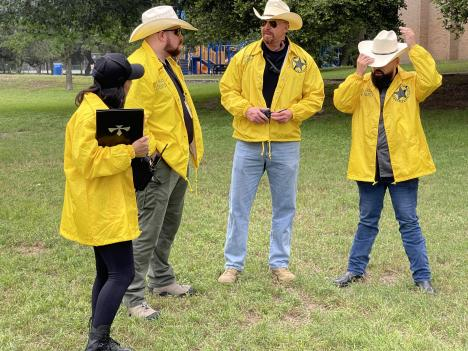
Appendix #1: Types of Criminal Investigators Working Today (2026)
Grouped by employer and the types of crimes they investigate
1. Law Enforcement Investigators
- Homicide / Violent Crimes Detective (police or sheriff’s department)
- Robbery Detective
- Burglary / Property Crimes Detective
- Sex Crimes / Child Abuse Investigator (SVU)
- Narcotics Detective / Drug Task Force Investigator
- Gang Unit Investigator
- Major Case / Cold Case Detective
- Cybercrime Investigator (police digital forensics lab)
- Financial Crimes / Fraud Detective
- Internal Affairs Investigator (investigates police misconduct)
- Fugitive / Warrant Investigator
- Crime Scene Investigator (CSI) / Forensic Investigator
- Arson Investigator (often fire department + police)
- Federal Task Force Officer (local detective deputized to FBI, DEA, ATF, HSI etc.)
2. Federal Criminal Investigators (United States)
- FBI Special Agent (general criminal, counterterrorism, cybercrime, public corruption)
- DEA Special Agent / Diversion Investigator
- ATF Special Agent (firearms, explosives, arson)
- HSI Special Agent (Homeland Security Investigations) (human trafficking, smuggling, child exploitation)
- U.S. Marshal Deputy (fugitive apprehension, witness protection)
- Secret Service Special Agent (financial crimes, protection)
- IRS-CI Special Agent (tax evasion, money laundering)
- Postal Inspector (mail fraud, child exploitation via mail)
- NCIS Special Agent (Navy & Marines crimes)
- Air Force OSI Special Agent
- Army CID Special Agent
- Coast Guard Investigative Service (CGIS)
- Diplomatic Security Service (DSS) Special Agent (State Dept crimes overseas)
- OIG Investigators (Office of Inspector General) (dozens of federal agencies)
3. State-Level Criminal Investigators
- State Police / Highway Patrol Detective
- State Bureau of Investigation (SBI) Agent
- Attorney General Investigator (Medicaid fraud, public corruption)
- Department of Corrections Investigator (prison gangs, contraband)
4. Prosecutorial Investigators
- District Attorney Investigator
- County Prosecutor Investigator
- State Attorney General Investigator
- Federal Prosecutor Investigator (AUSA staff investigator)
5. Military & Special Jurisdiction Investigators
- CID (Army Criminal Investigation Division)
- NCIS (Naval Criminal Investigative Service)
- AFOSI (Air Force Office of Special Investigations)
- DCIS (Defense Criminal Investigative Service) (DoD contract fraud)
- Amtrak Police CID
- Tribal Police Criminal Investigator (BIA or tribal)
6. Regulatory & Administrative Criminal Investigators
- FDA Office of Criminal Investigations (drug tampering, counterfeit medications)
- EPA Criminal Investigation Division (environmental crimes)
- USDA OIG Investigator (food stamp fraud, animal fighting)
- Department of Labor OIG Investigator (wage theft, human trafficking)
- SEC Enforcement Investigator (securities fraud)
7. Private-Sector Criminal Investigators (Licensed or Exempt)
- Corporate Fraud Investigator (in-house for banks, Fortune 500 companies)
- Insurance SIU Investigator (Special Investigative Unit) (arson, staged accidents, workers-comp fraud)
- Private Forensic Accountant (embezzlement, asset tracing)
- Licensed Private Investigator doing criminal defense work (alibi, witness locates, re-investigation of old cases)
- Loss Prevention Investigator (retail organized crime)
8. International & Transnational
- Interpol Liaison Officer / National Central Bureau (NCB) Investigator
- Europol Analyst / Investigator
- United Nations (UN) War Crimes Investigator
- Private Contractors Investigating Criminal Cases in High-Risk Countries (usually former federal agents)
Every role listed above is a legitimate “criminal investigator.”
The differences come down to jurisdiction, legal authority, employer, funding source, and the specific crimes they’re empowered—or required—to investigate.

How To Become A Criminal Investigator In 2026 – For PI Rookies©
How To Become A Criminal Investigator In 2026 – For PI Rookies© Table of Contents Hello PI Rookie! So you...